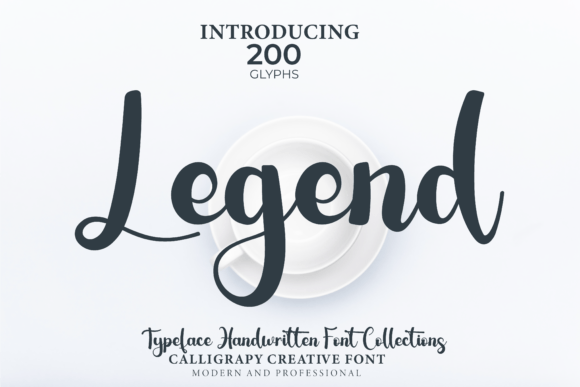
Weed Font: A Handwritten Spark for Creative Projects
I was designing a set of candle labels the other day, and I needed something that would feel both elegant and approachable. That’s when I stumbled upon Weed—a handwritten font with a light, natural flow that immediately felt like it belonged on handmade products. It wasn’t just any script; it had a unique charm that made me want to test it out on everything from greeting cards to boutique tags.
Weed is a beautiful and light handwritten font with a unique feel and a stunning impact. Its soft curves and organic rhythm give it an almost personal touch, as if each letter was written by hand with care. It’s not too ornate, nor too casual—it strikes a perfect balance between luxury and accessibility. This makes it ideal for projects where you want to add a bit of personality without overwhelming the design.
Crafting with Weed: Real-World Applications
I started by using Weed on my candle labels. The font looked amazing paired with minimalist line drawings and earthy colors. It gave the product a warm, inviting feel that perfectly matched the natural ingredients inside. Next, I tested it on some birthday invitation mockups. The font’s gentle strokes worked beautifully alongside floral illustrations and soft pastel backgrounds.
The versatility of Weed quickly became apparent. I used it for farmhouse-style signs, wedding welcome boards, and even printable wall art. Each time, it added a sense of authenticity and creativity that elevated the overall design. Whether I was working on digital templates or preparing physical printables, the font always brought a fresh, handmade energy to the project.
Designing with Purpose: How Weed Enhances Presentation
When it comes to product presentation, the right font can make all the difference. Weed adds a subtle luxury that enhances perceived quality without being over the top. It also helps with brand consistency—using the same font across different items creates a cohesive look that customers recognize and trust.
I’ve found that Weed works especially well for short phrases, names, and titles. Its decorative style makes it perfect for display use, whether it’s on a mug, shirt, tote bag, or packaging. However, I’ve also used it in longer text elements like planner pages and digital printables, where its readability still holds up nicely.
For those who work with cutting machines like Cricut or Silhouette, I recommend testing Weed on small stickers and labels first. Its clean lines and smooth curves translate well to vinyl and paper, making it a reliable choice for physical merchandise.
Pairing Weed with Other Fonts
Font pairing is an important part of any design project, and Weed plays well with others. I often pair it with a clean sans serif font for headings or body text, which gives the design a modern yet classic feel. For more formal projects, like wedding invitations or editorial designs, I’ll go with a simple serif font to complement Weed’s elegance.
If I’m going for a more whimsical look, I might pair Weed with another script or handwritten font. But I always make sure to keep the contrast balanced so the text remains legible and visually appealing.
Choosing the Right Font for Your Needs
Before using Weed for commercial projects, it’s important to check what styles, alternates, ligatures, swashes, weights, and file formats are included. I always verify multilingual support and ensure that the font has proper commercial licensing, especially when creating printables, SVG-style designs, or digital downloads.
Whether you’re designing for your own shop or selling templates online, understanding these details ensures that your final product looks professional and meets legal requirements.
From candle labels to seasonal tags, Weed has become a staple in my creative toolkit. Its unique personality and versatile appeal make it a go-to font for any handmade project that needs a little extra spark. And when I see my finished products with Weed on them, I know I’ve created something that feels both special and authentic.